
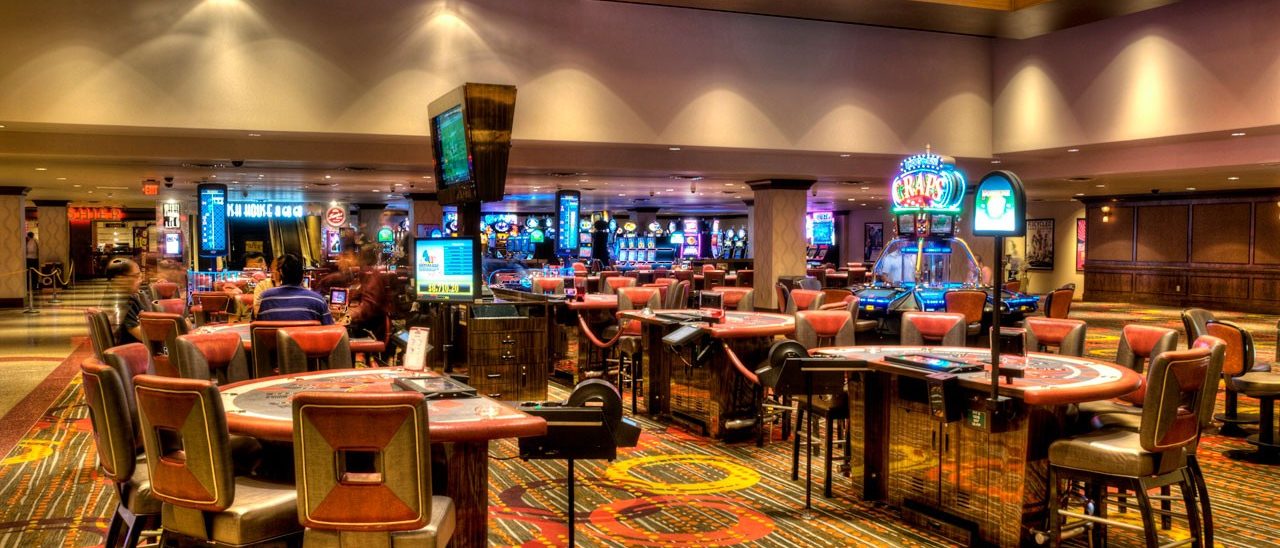
Casino poker style games hold a special space between classic table games and player-versus-player poker https://dudespinsbelgium.com/fr-be/. These variants set the player right against the dealer rather than other opponents. The objective shifts from outsmarting peers to forming the highest possible hand according to a fixed paytable. Understanding this key difference saves newcomers from tactical confusion when they sit down at a virtual felt table for the first time.
What Characterizes a Casino Poker Variant
Casino poker games strip away bluffing, tells, and multi-street betting. Instead, they implement an ante-based structure where decisions are compressed into a single raise or fold moment. The dealer’s hand commonly needs to qualify for action to proceed. This mechanical shift changes poker from a social mind game into a rapid-fire mathematical exercise that rewards precise decision-making based on visible information.
Most variants share a common backbone. A player posts an ante, receives cards, and then opts whether to raise by doubling the bet or to fold and forfeit. If the player raises, the dealer reveals their hand. A qualifying rule often applies, meaning the dealer must hold a minimum strength hand to play. Without that qualifier, the raise simply pushes back as a win.
Caribbean Stud Mechanics
Caribbean Stud launched the progressive jackpot side bet that many players now link to casino poker. Five cards are given to both the player and the dealer, with one dealer card exposed. The player judges their holding against the visible card and decides to fold or raise. The dealer must hold an Ace and a King or better to be eligible for the showdown.
Strategy here revolves around a simple threshold. The mathematically correct approach prescribes raising with any pair or better, and folding anything below Ace-King-Jack-8-4. Pursuing weak draws against a strong dealer upcard depletes a bankroll quickly. The progressive side bet provides lottery-tier payouts for premium hands like a flush or better, but comes with a significant house edge that analytical players usually avoid.
Video poker games as a Individual Alternative
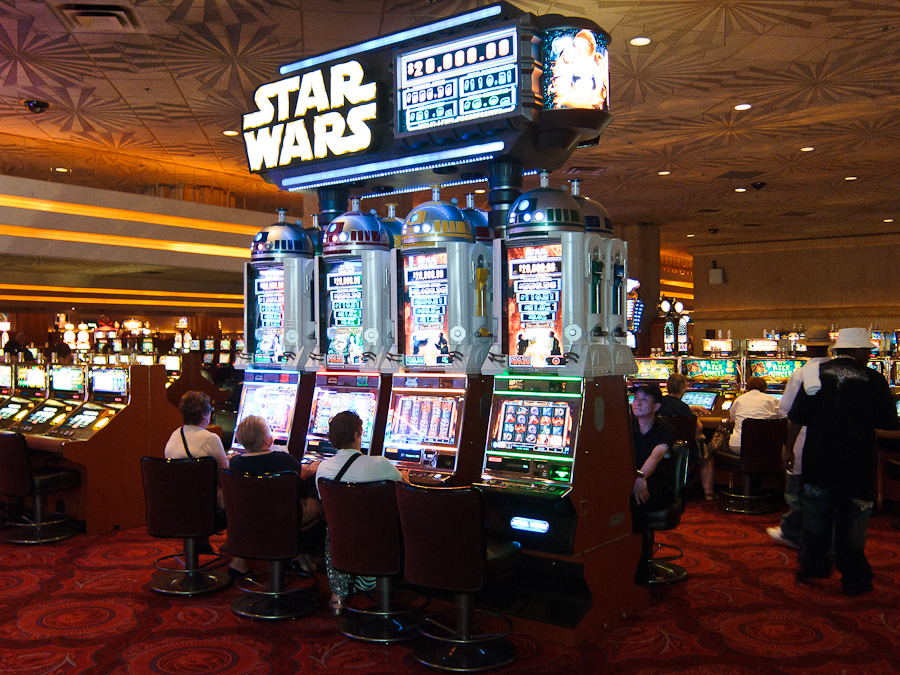
Video poker removes the dealer completely from the equation. A machine deals five cards, the player holds or discards any number, reddit.com and the draw replaces discards. The final hand compensates according to a posted table. Variants like Jacks or Better and Deuces Wild change strategy dramatically based on paytable adjustments. A full-pay Jacks or Better machine returns over 99.5 percent with perfect play, establishing it as a standout option.
The solitary nature of video poker appeals to players who want full control over pacing. No dealer qualification rules meddle, and no other participants affect outcomes. Mastering the strategy chart for a specific variant requires time, but the transparency of the paytable enables a player to know exactly what return percentage they face before placing a single credit into the machine.
Typical Errors That Reduce Returns
Pursuing the progressive jackpot without knowing the qualifying threshold depletes funds faster than almost any other practice. Many casino poker games necessitate a maximum side bet to activate the jackpot, and the base probability of hitting the top prize often lies in the millions-to-one range. Considering the side bet as a small entertainment expense rather than a core strategy keeps expectations grounded in reality.
- Playing below the qualifying threshold in Ante-Play games out of curiosity or optimism.
- Overlooking the dealer’s upcard in Caribbean Stud when determining whether to raise.
- Discarding too many playable hands in Three Card Poker due to risk aversion.
- Aggressively raising weak draws in Ultimate Texas Hold’em before seeing community cards.
- Failing to learn the correct strategy chart for a specific video poker paytable.
Casino Hold’em
Casino Hold’em replicates the community card structure but shortens the betting sequence. An ante initiates the deal of two hole cards and three community cards. The player then chooses to fold or call with exactly double the ante. Two more community cards finish the board. The dealer must hold a pair of fours or better to qualify, otherwise the call bet is returned and the ante pays even money.
Calling with any pair or a strong draw like an open-ended straight or flush draw maintains the player in profitable territory. Folding Ace-high hands without a draw avoids slow bankroll erosion. The AA side bet, which pays based on the combined strength of player cards and the flop, tempts with large multipliers but needs caution due to its elevated house edge relative to the main game.
Ultimate Texas Hold’em Strategy
Ultimate Texas Hold’em incorporates community cards in the casino poker format. Players post an ante and blind bet, then receive two hole cards. The decision points expand here. A player can raise four times the ante pre-flop, two times after the flop, or one time after the river. Waiting until the river to raise diminishes potential winnings because the earlier the raise, the larger the allowed multiplier.
The blind bet pays according to a paytable when the player wins with a straight or better. Checking strong hands to protect the blind payout sometimes clashes with the instinct to raise early. A solid pre-flop raising range contains pairs of threes or better, Ace-King, Ace-Queen, and suited connectors like King-Queen. Restraint on the flop and turn avoids costly overcommitment to marginal draws.
Three-Card Poker Dynamics
Three Card Poker divides into two independent bets: Pair Plus and Ante-Play. Pair Plus pays entirely on the quality of the player’s three-card hand, irrespective of what the dealer possesses. A pair or better activates a payout scaled according to a fixed table. The Ante-Play portion requires the player to cover the ante with a play bet after viewing their cards, but only if the hand merits continuation.

The dealer qualifies with a Queen-high or better. Optimal strategy for the Ante-Play segment is clear: play Queen-6-4 or higher, fold everything else. Deviating from this specific cutoff increases the house advantage noticeably. The Pair Plus bet involves a higher volatility but streamlines the experience for those who opt not to think about dealer qualification rules during a session.
Bankroll Control for Live Poker Games
Casino poker variants demonstrate more volatility than standard blackjack due to the pay structures for strong hands. Flushes or full houses might occur rarely, but those paydays often compensate for many ante losses. Organizing a playing bankroll to withstand twenty to thirty losses in a row without causing a rash choice provides a cushion against typical downswings that occur even with perfect strategy execution.
Bet sizing consistency is important more than progressive wagering systems. Doubling the ante after a loss does not change the underlying probabilities and can speed up a loss during a cold streak. A flat betting approach paired with a stop-loss limit maintains the ability to come back for a future session. The objective stays seeing enough hands to allow the theoretical edge on right decisions manifest over time.
Picking the Right Variant for Your Style
Participants who favor limited decision points gravitate toward Three Card Poker or Caribbean Stud. The fold-or-raise choice takes place once per hand, and the strategy can be memorized in minutes. Those who like multi-street complexity find Ultimate Texas Hold’em or Casino Hold’em more engaging. The additional decision nodes create a deeper tactical layer that compensates study and disciplined execution over hundreds of hands.
Video poker appeals to the analytical mind that seeks to grind a low house edge with zero social pressure. Table variants attract those who relish the ritual of the deal and the visible community cards. Trying each format in a low-stakes environment reveals personal preference faster than any guide. The best casino poker game is the one where the player fully understands the optimal strategy and executes it without hesitation.