

For Canadian adults who browse casino sites on a phone or tablet, convenience should not come at the expense of clarity or account security. The casino lussurio platform is described as offering browser-based mobile access, several interface languages and a range of account tools, but the practical experience still depends on the device, connection and operator terms. A careful mobile routine can help you assess what you are viewing, protect personal information and avoid confusing a responsive website with a dedicated app.
What browser-based mobile access actually provides
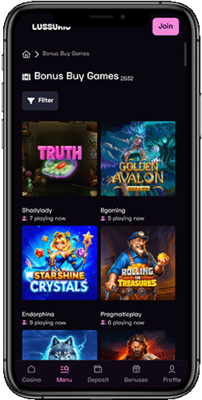
A mobile casino website is designed to adapt its layout to a smartphone or tablet screen. According to the available information, the platform can be opened through modern mobile browsers without requiring a desktop computer. The mobile environment is described as including casino content, live-game sections, promotions, account access and cashier functions. That makes it suitable for browsing while travelling, comparing categories or checking account information from a smaller screen.
Browser access is not the same as downloading software. A responsive website normally opens through Safari, Chrome or another browser and does not necessarily place an application icon on the device. This distinction matters because some directories describe the service as having a mobile app, while no verifiable listing in the Apple App Store or Google Play was established. Treat any downloadable application claim separately from the confirmed browser experience.
Before using a mobile site, check whether the page address is secure and whether the layout displays important information properly. Terms, bonus conditions, account notices and verification requests can be harder to read on a phone. Expanding text, rotating the screen or switching to a tablet may help, but a larger display is preferable for reviewing detailed conditions. If an essential rule is hidden, truncated or difficult to access, postpone the decision until you can read it clearly.
How to inspect a casino site on a smaller screen
Mobile browsing encourages quick taps, so a simple inspection routine is useful. First, confirm that you are on the intended website rather than a copied page, advertisement or unfamiliar redirect. Then look for identifiable navigation to the terms, privacy information, support area and account controls. Do not assume that a familiar logo or polished design proves who operates a website, where it is licensed or which customers it accepts.
Next, test the basic navigation without submitting personal information. Open the menu, return to the home page, check whether pages load consistently and see if important sections work without excessive pop-ups. If a promotion is visible, read its full conditions rather than relying on a short banner. In the available material, offers can involve deposit requirements, wagering rules, category exclusions and separate terms, all of which may be inconvenient to review on a phone.
Device security is also part of the browsing decision. Keep the operating system and browser updated, use a screen lock and avoid saving passwords on shared devices. Public Wi-Fi is not ideal for account activity, particularly when entering identity or payment details. Canada’s public cyber-safety guidance from Get Cyber Safe offers general advice on protecting accounts and devices online; it does not verify any particular casino or its mobile features.
When a mobile layout is convenient—and when it is not
Mobile browsing is convenient for short, defined tasks. You might review available categories, read account messages, check support options or inspect whether a particular section is accessible. A phone can also be useful when a desktop computer is unavailable. The available description includes slots, live casino content, promotions and account areas within the browser experience, although the exact appearance may vary by device, browser version and location.
Small screens become less suitable when the task involves close comparison or important financial decisions. Reading several pages of promotional conditions, checking identity requirements or reviewing a long transaction history can be tiring on a phone. A cramped layout may also make it easier to tap the wrong button. If the cashier, account menu or terms do not display clearly, use a larger screen instead of relying on guesswork.
Connection quality creates another limitation. A weak mobile signal can interrupt live content, reload pages or leave a user uncertain about whether an action was completed. Repeated tapping may create confusion, especially around forms or account settings. Wait for the page to respond and review the resulting status before trying again. If the site behaves inconsistently, contact support through the stated channel rather than assuming that a transaction or account change succeeded.
Keep account and payment details separate from casual browsing
Browsing public pages and entering account information are different activities. It is reasonable to explore the layout without signing in, but account access should be treated as a higher-risk step. Use a unique password, avoid sharing login credentials and sign out when using a device that other people can access. If the browser offers to remember sensitive details, consider the security of the phone before accepting.
The available account information says that registration may require accurate personal and contact details, while verification can involve government identification, proof of address and evidence that a payment method belongs to the account holder. These are not details to submit through an unexpected message, social-media conversation or unverified form. Requests should be checked against the official account area or the operator’s stated support route.
Payment decisions also deserve a larger pause than ordinary browsing. Currency, method availability, minimums and withdrawal conditions can vary by account, country and payment provider. The published information identifies CAD among supported currencies and lists several possible payment routes, but it also notes that methods and thresholds may differ. Treat displayed cashier information as the current reference for your account, and read the relevant terms before committing funds.
Choose a mobile routine that leaves room for review
A sensible routine begins before opening the site. Decide what you want to check, set a time limit for browsing and keep notifications from encouraging impulsive decisions. If you are comparing operators, use the same checklist for each: mobile readability, accessible terms, support visibility, privacy information and clear account controls. This produces a more useful comparison than judging a site by its graphics or the number of titles shown on its front page.
Account controls can also be easier to overlook on a mobile menu. The available material lists options such as deposit, wagering, loss, session and time limits, along with cooling-off and self-exclusion tools. Their presence does not mean they work identically in every situation, so read the descriptions and confirm when a change takes effect. Set limits before browsing promotions or game categories, rather than waiting until after a session has begun.
Finally, keep a record of important support conversations, verification submissions and account notices. Screenshots may help you remember what was displayed, but do not store identity documents casually in a photo gallery or send them to an unverified address. If a review, restriction or payment issue arises, ask support which information is needed and retain the reference details. A deliberate mobile routine cannot remove every risk, but it can reduce avoidable mistakes.
Mobile browsing questions from Canadian users

Is a browser version the same as a mobile app?
No. A browser version opens through a mobile website, while a native app is installed from an official app store or another verified distribution channel. Available information supports browser access but does not establish a confirmed iOS or Android listing. Do not install an application solely because a directory describes one.
Should I use public Wi-Fi to access an account?
It is better to avoid account and payment activity on unsecured public networks. If browsing is necessary, refrain from entering sensitive information, keep the device updated and verify the website address. A private, trusted connection and a locked device provide a stronger starting point for account security.
What should I do if the mobile page displays incorrectly?
Refresh once, check the browser version and try rotating the device or using a larger screen. Do not repeatedly submit forms when the status is unclear. If the problem continues, record the page or error message without exposing personal details and contact the operator through its stated support channel.